About Us
History
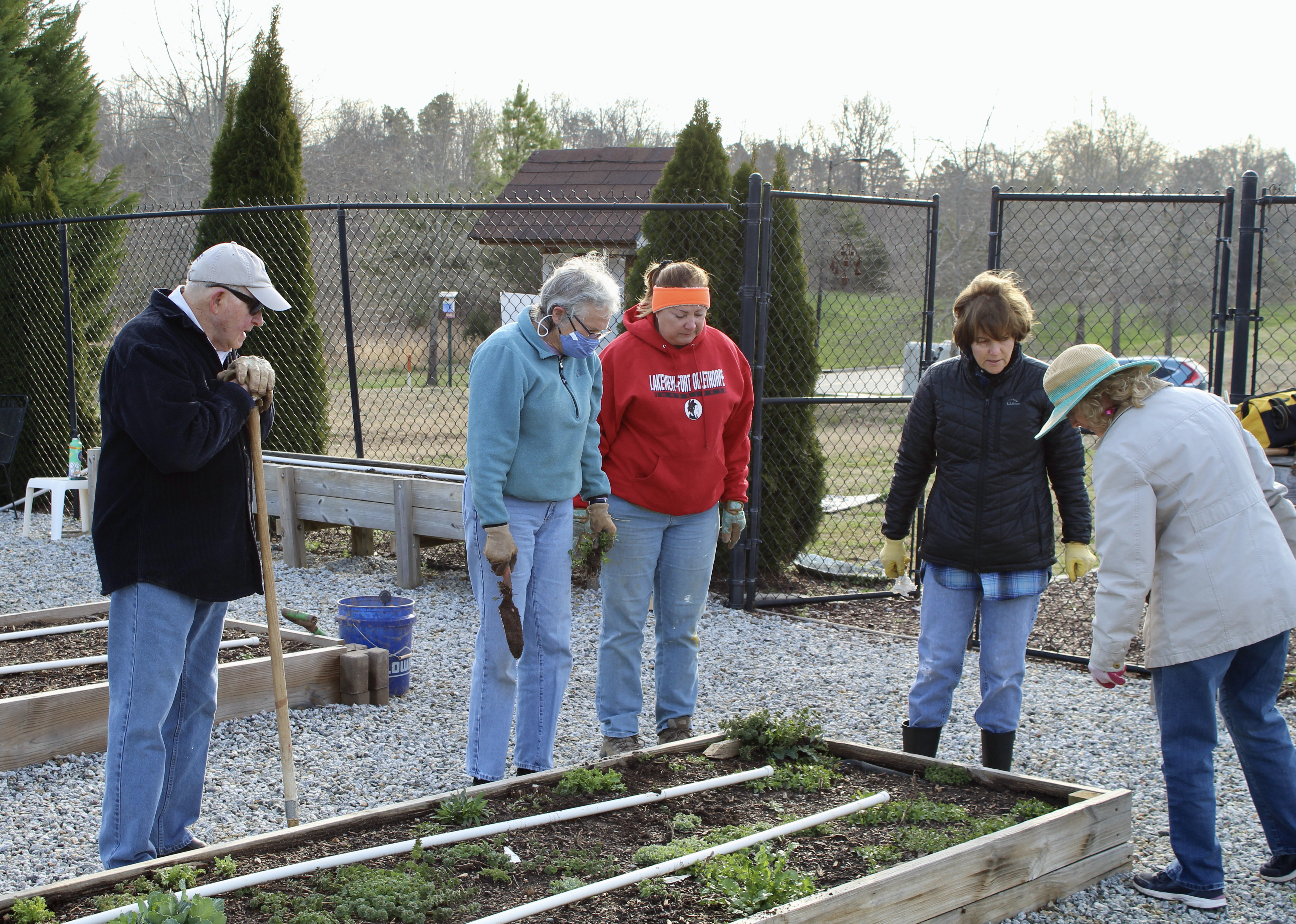
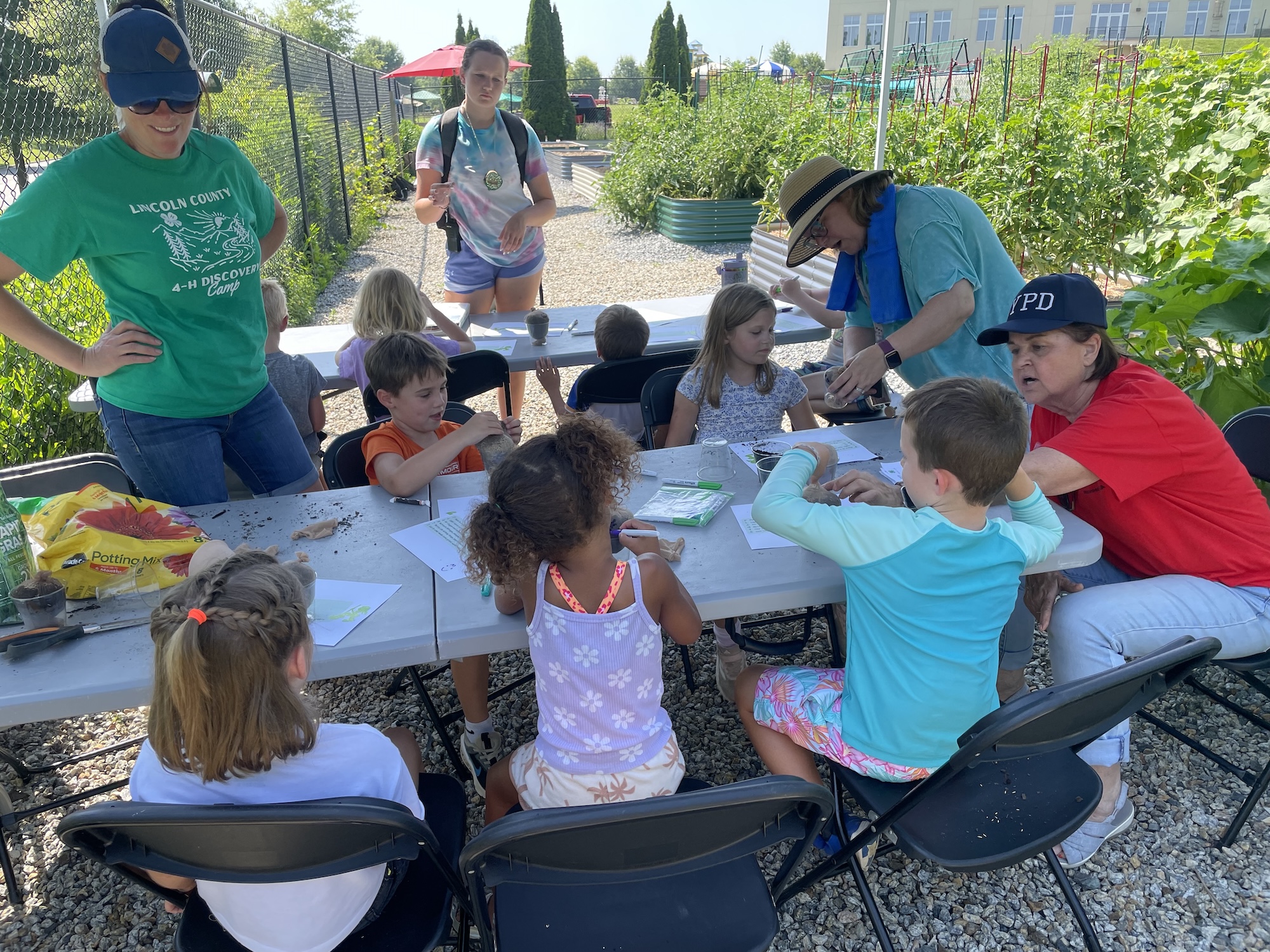
In 2011, a group of dedicated Lincoln County residents saw the value and need for establishing a place to bring people with a common interest together—a community garden. They invested weeks, months, and years of sweat equity to build the garden from the ground up to what it is today. Through 2024, the garden hosted beginner and experienced gardeners alike, growing fruits, vegetables, herbs, and flowers. Produce was enjoyed by the gardeners and their families. Excess produce went to local agencies maintaining food distribution capabilities for County residents in need. More recently, the community garden became an educational venue for school groups, YMCA Summer Camp Youth, Scouts, and new Extension Master GardenerSM students and interns. Over the years, Lincoln County Extension Master Gardener Volunteers were also integral to creating and improving the garden infrastructure and serving the needs of its gardeners as educators.
New vision and mission for 2025
Sally’s YMCA, the sponsor for the ELCG, came under new ownership by the YMCA of Catawba Valley in the latter part of 2024. With their support, a renewed vision for the ELCG was implemented for 2025 with two revised mission areas: (1) changing from personal use individual bed leases to a cooperative garden with harvests supporting local Second Harvest food banks; and (2), an educational gardening venue for YMCA youth groups, local school students, Cooperative Extension 4-H and Extension Master Gardeners, Scouts, and other educational partnerships.
Why our mission is important to the community — As noted by the Second Harvest Food Bank of Metrolina — for Lincoln County:
- There are 8,097 residents living at or below the poverty level, representing 9% of the County population
- Of that number, 1,698 residents are over the age of 65−10.1% of the older adult population
- Equally concerning, 1,732 are children−9.4% of the child population
Amenities
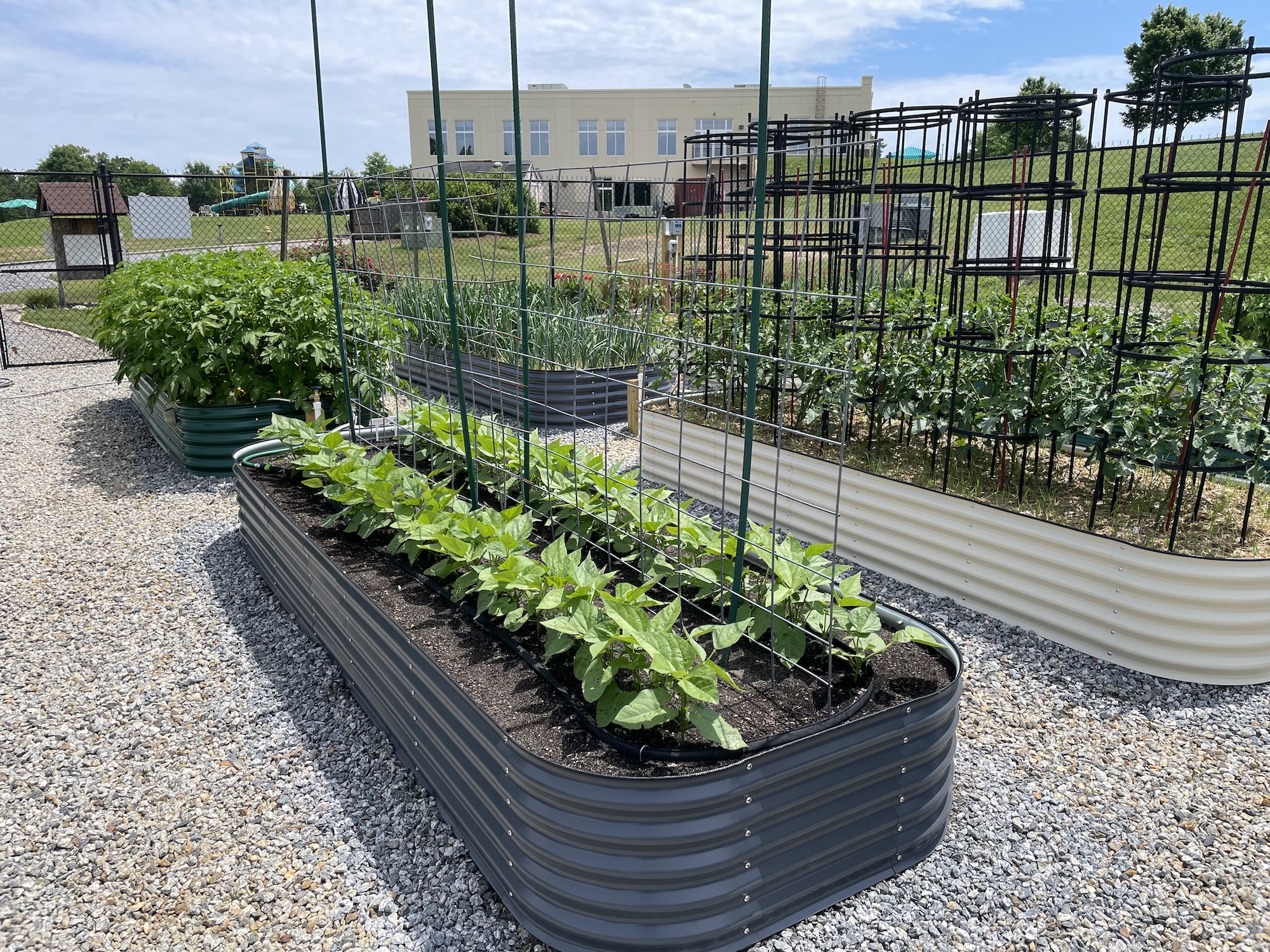
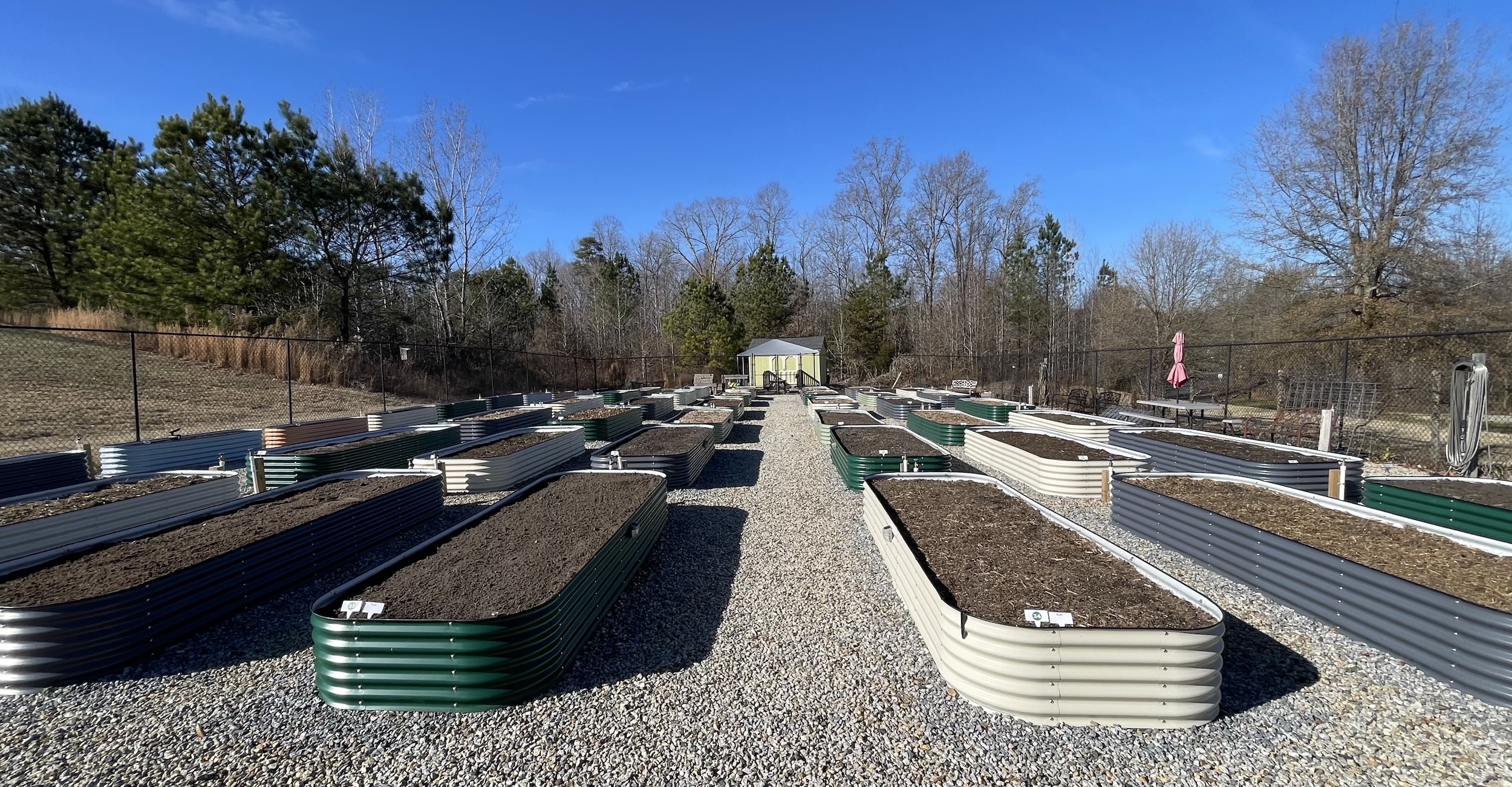
A safe and secure environment — The garden is fully fenced and secured when not occupied. Visitors are welcome but must be escorted by a community garden volunteer. Fencing keeps foraging animals from damaging plants and produce.
Individual raised garden beds — VegoGarden® products are used exclusively for proven longevity and functionality. All garden bed heights are 17″ with 2′ to 4′ widths allowing easy access for gardeners. There are also several beds 32″ high offering greater accommodation for volunteer gardeners with physical challenges.
Soil management — Soil samples are taken from all beds semi-annually and professionally analyzed by the NC Department of Agriculture & Consumer Services. The Garden Manager applies soil amendments as recommended by test results to maintain optimum pH and nutrients for plant health and growth.
Irrigation — An automated watering system supplies drip irrigation to each bed. Two hoses are also available to hand-water plants, as needed.
On-site tool shed — Common garden tools are available for volunteer gardener use, secured in the tool shed.
The Garden
A Pollinator Sanctuary
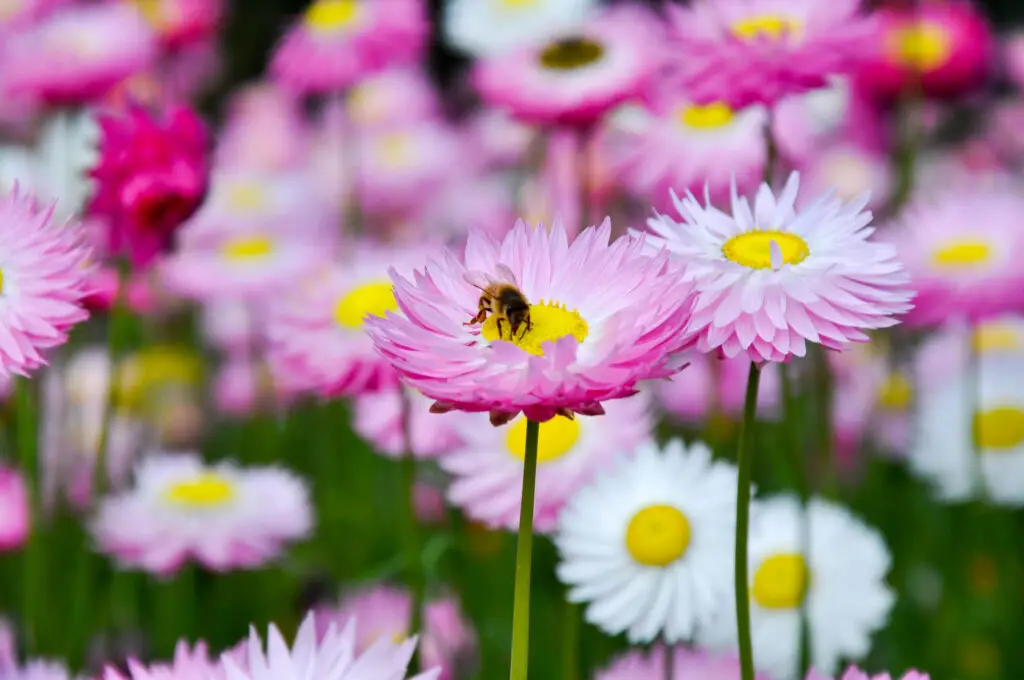
Having a safe environment for pollinators is critical to having a successful garden. Perennial and annual flowers planted in border beds outside of the fence and inside the garden attract and feed pollinators. Organic pest control measures are carefully followed to protect pollinators as a first priority while fending off nuisance pests.
What We Grow
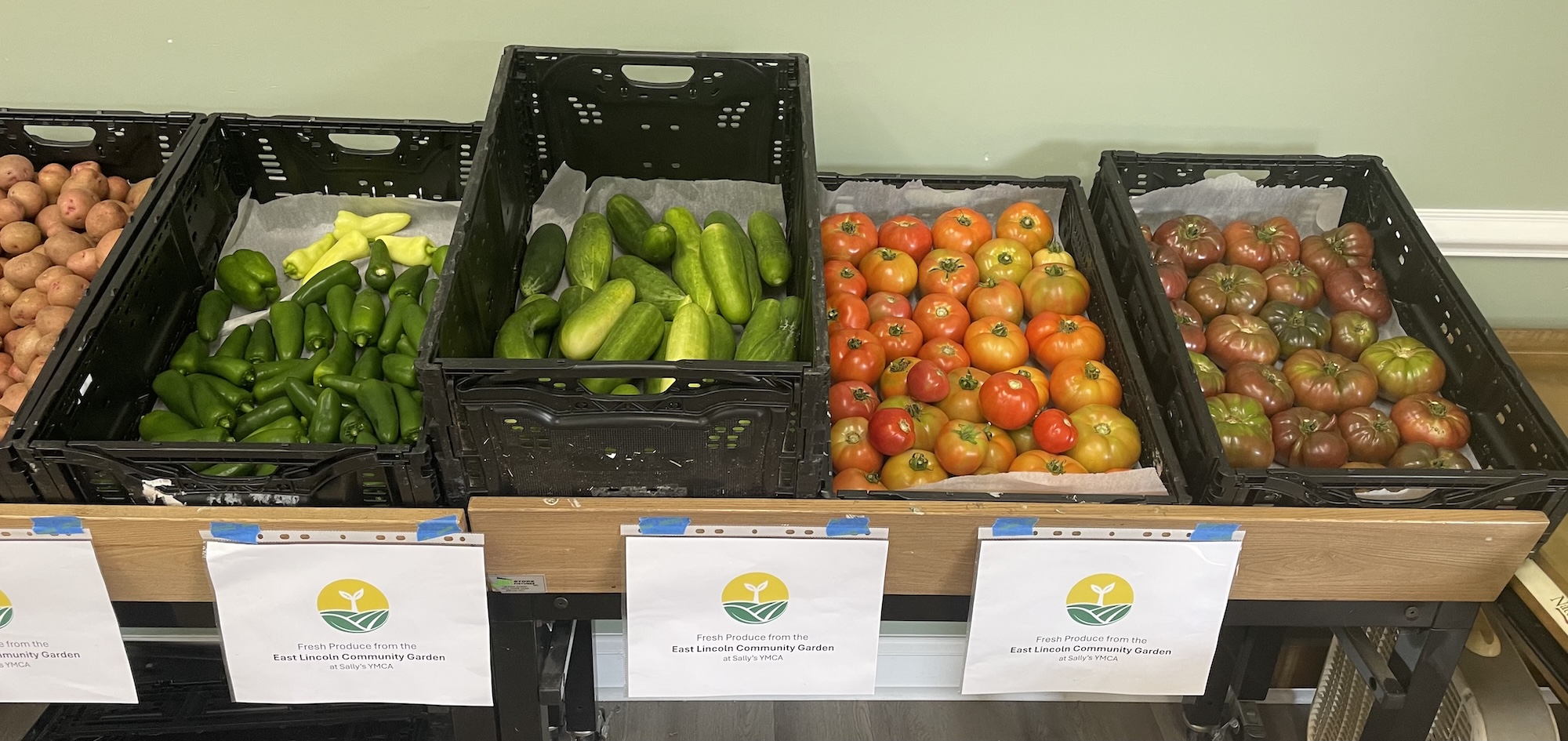
A variety of produce — We don’t have the growing space or capacity of a farm, but we make the most of the space we have! We focus on what grows well in our area and select produce that is popular with food bank patrons. Several of our choices include:
- Cucurbits — Three different varieties of cucumbers, squash, and zucchini
- Nightshades:
- Peppers: bell, jalapeño, banana, and serrano
- Potatoes: Yukon Gold and Russet
- Eggplant
- Tomatoes: Multiple determinate and indeterminate heirlooms; beefsteak, plum and cherry tomatoes
- Root and tuberous vegetables — carrots, beets, radishes, sweet potatoes
- Allium — garlic, onions, chives
- Legumes — pole beans, bush beans
- Herbs — dill, basil, thyme, rosemary
Results for 2025
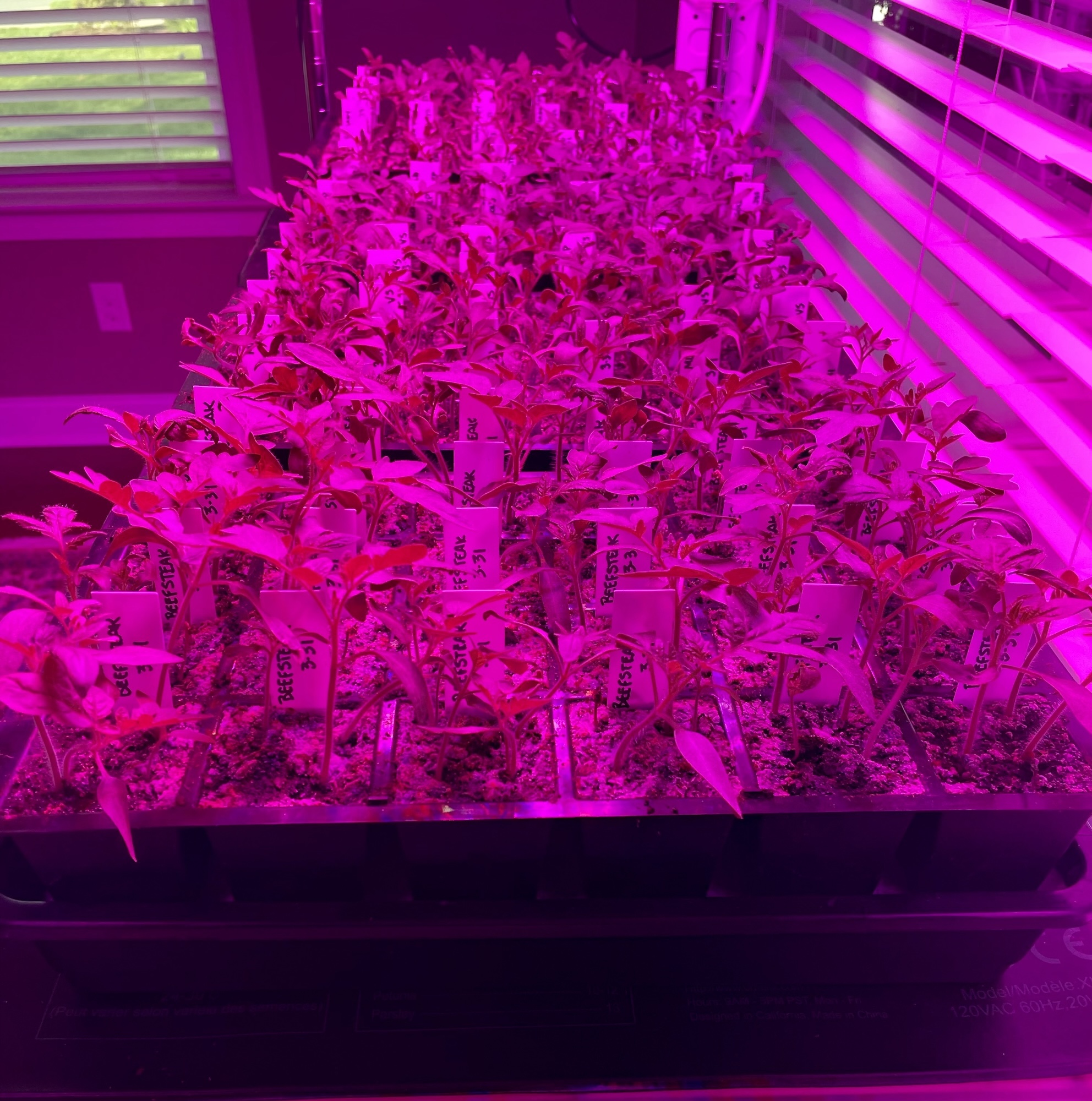
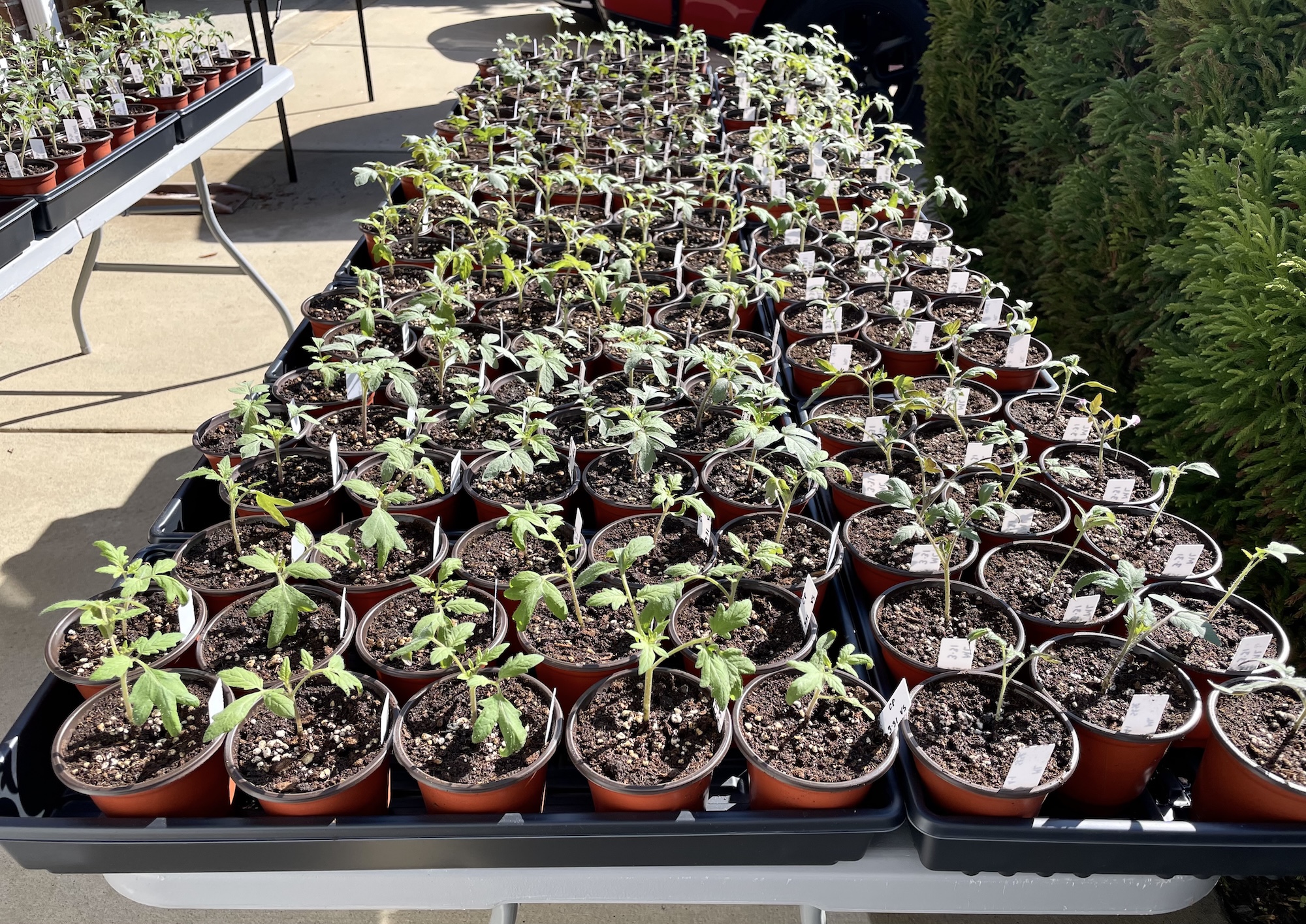
Most plants for the community garden were started from seeds beginning in February-March. Once they were up and hardened off, they were planted in the garden according to plant-type and weather conditions, after the last frost in mid-April. Other crops were grown from seeds directly sown in beds in May when soil temperatures warmed up.
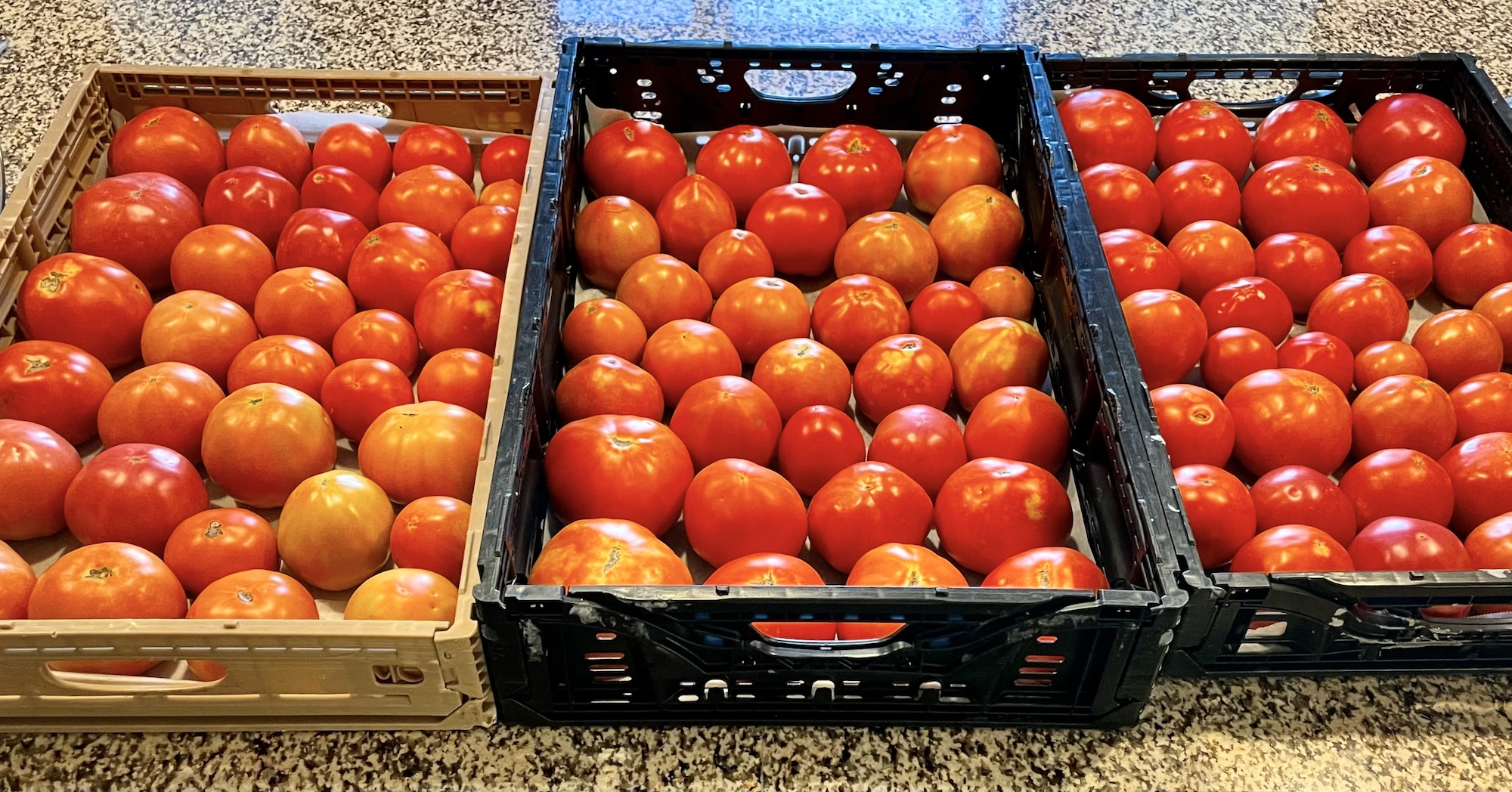
We started out with a realistic goal of raising and harvesting 2,000 pounds of produce for donation to two local Second Harvest food distribution agencies—the Lake Norman Food Mission and East Lincoln Christian Ministries. Our results exceeded expectations with a first-year yield of 3,680 pounds of produce! Although what we contributed was a small percentage of food donations in comparison to major contributors such as grocery stores, fresh produce from the garden was always the first go-to choice by individuals and families when it was available. The taste and nutritional value of freshly harvested produce is unbeatable.
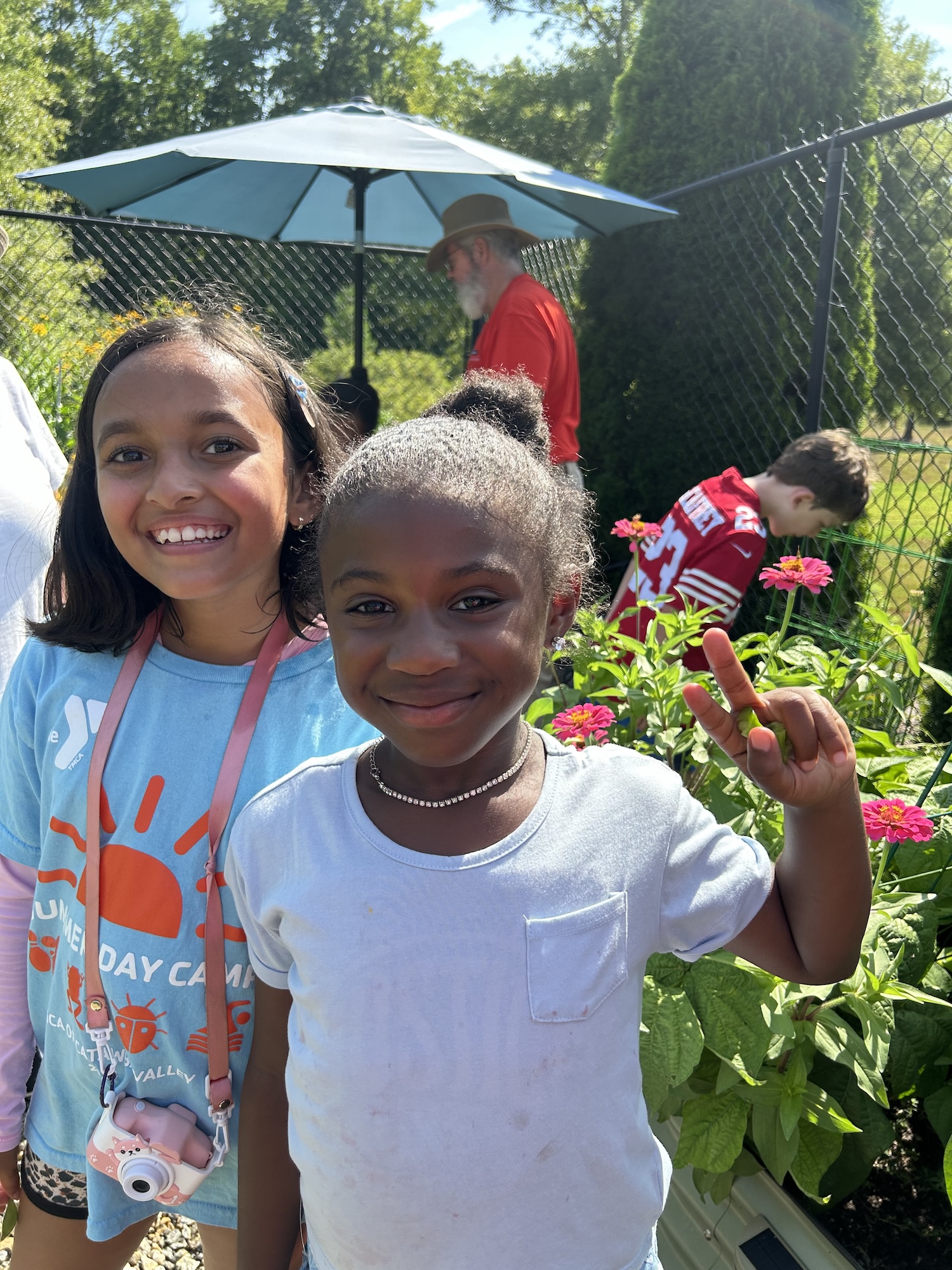
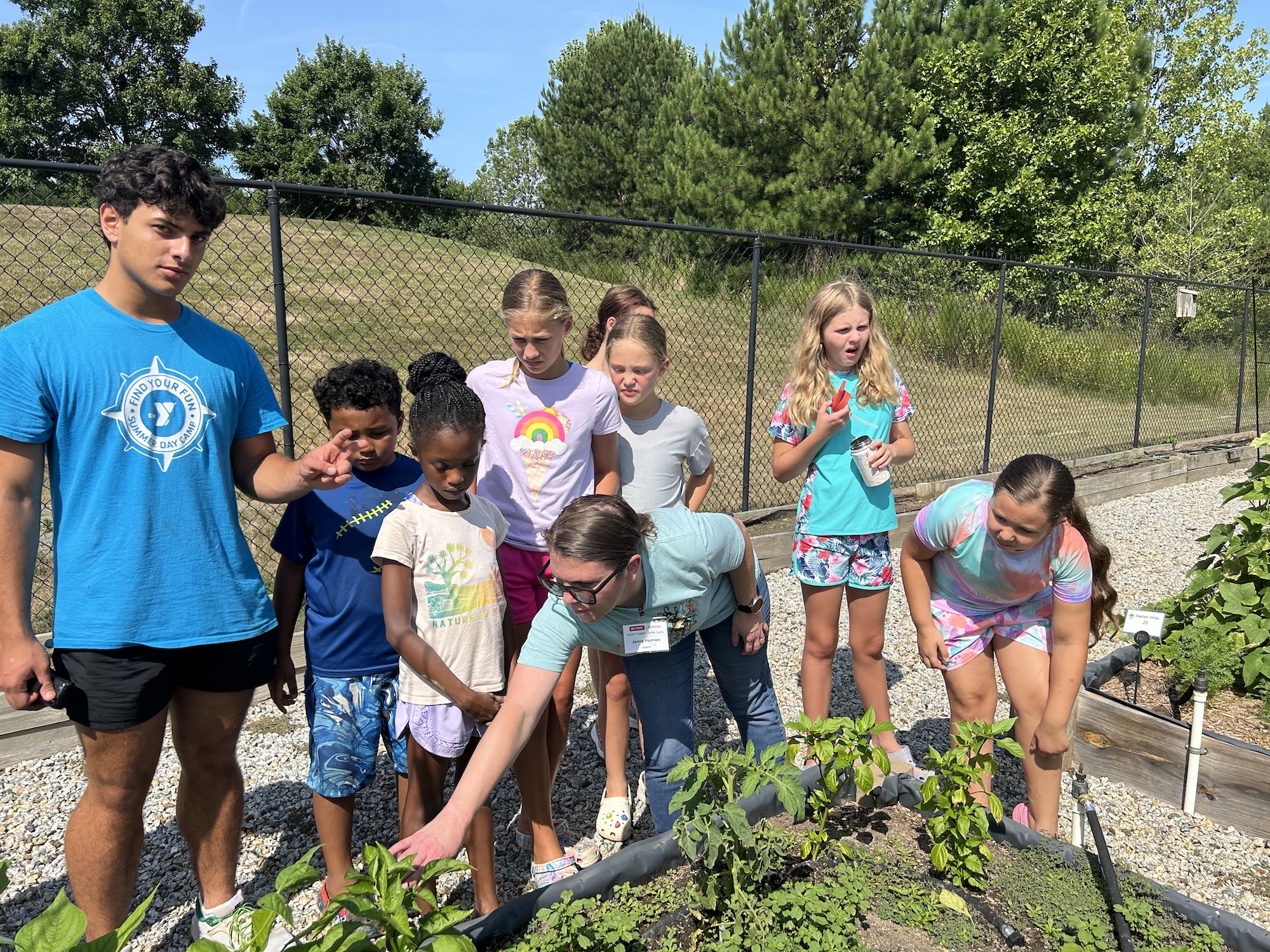
During the summer months, our second activity was hosting YMCA Summer Camp Kids. Our weekly sessions brought several age groups into the garden for activities led by talented Extension 4-H agents and Extension Master Gardener volunteers. It was gratifying to nurture their curiosity, teach them about the science behind growing food, the importance of pollinators in the garden, and offering taste-testings of fresh fruits and vegetables right off the plants.
For 2026
Spring activities are well underway in preparation for the growing season. Our goals for this year are to:
- Secure funding for continued operations
- Recruit volunteer gardeners and offer training sessions to improve individual skills
- Train select volunteers to become garden managers
- Continue with YMCA Summer Camp Kids training sessions and offer classes for any other interested groups
- Grow and harvest over 4,000 pounds of produce for donation